Home Blog Page 60

Qatar Airways unveils ‘QSuite’ – a new standard in business class travel

0

Qantas partner and oneworld member Qatar Airways has unveiled its highly-anticipated new ‘super business class’ product, dubbed ‘QSuite’ – and it looks fantastic.

Two years in the making (and after much hype, speculation and delay), the unveiling took centre stage at the opening of ITB Berlin, the world’s leading travel expo.

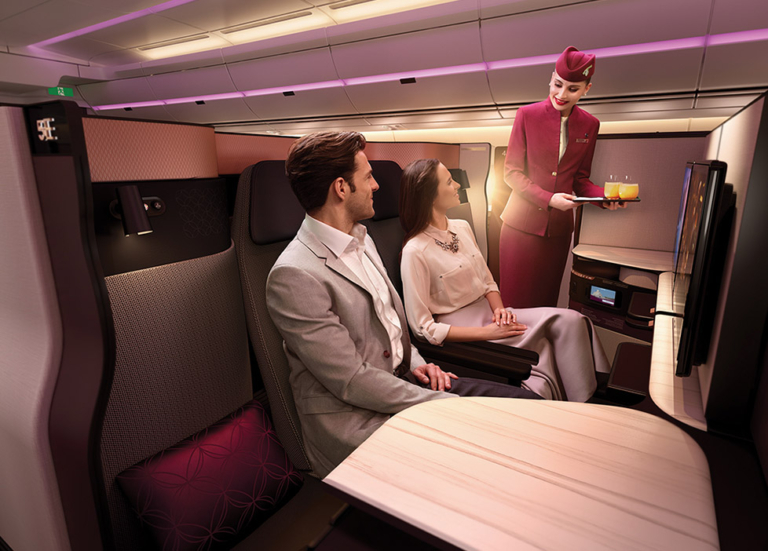
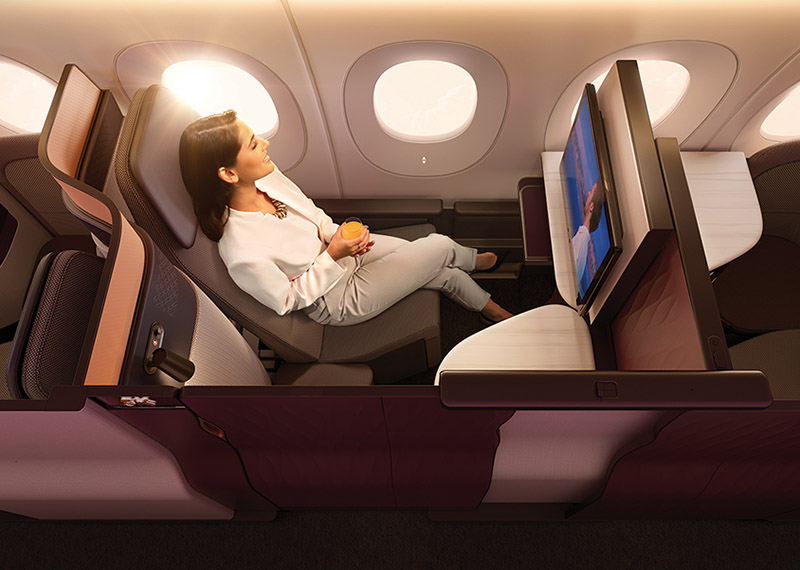
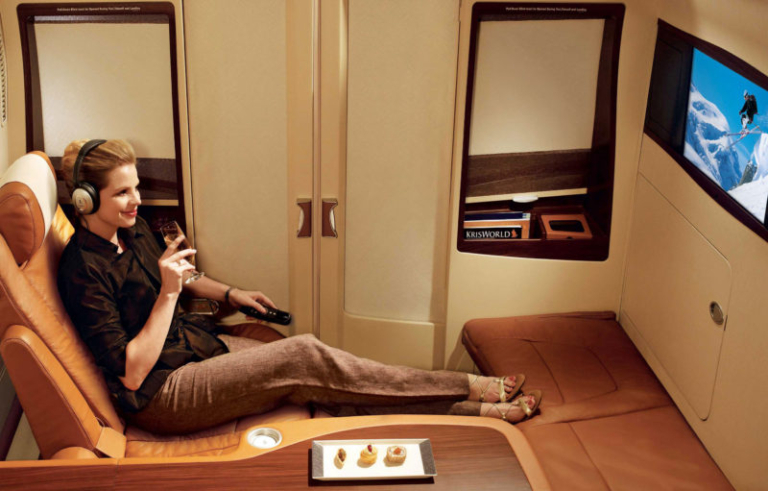
QSuite brings a private, suite-like experience to business class, with touches of luxury more commonly seen in first class.

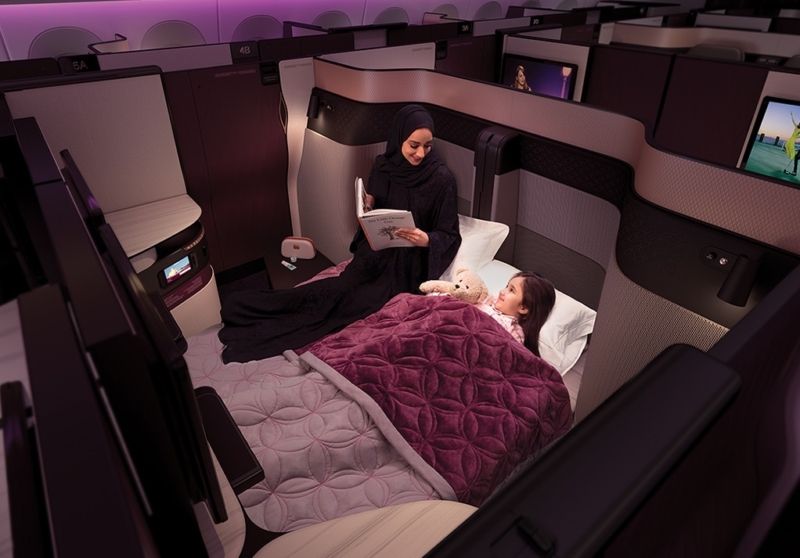
Qatar Airways is offering the industry’s first-ever double bed available in business class, with privacy panels that stow away, allowing passengers in adjoining seats to create their own private room.

qsuite qatar airways

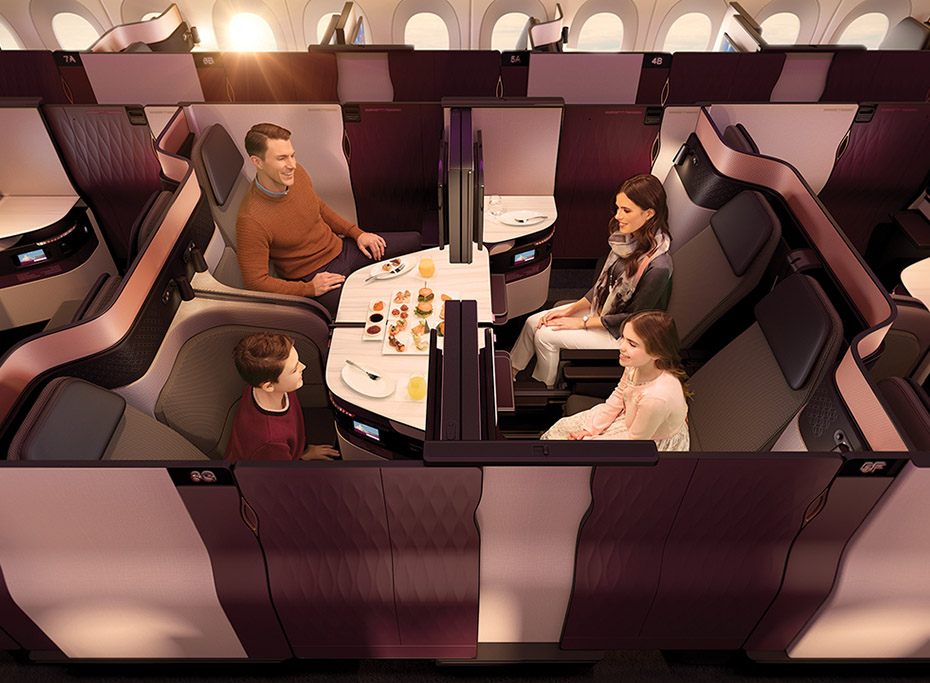
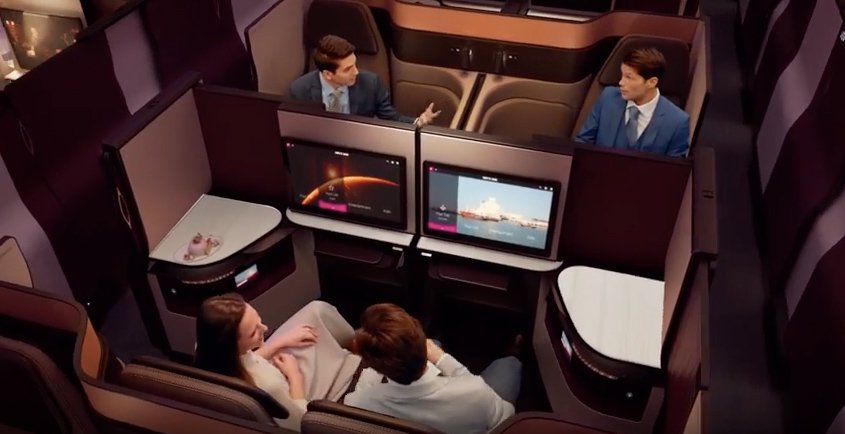
Adjustable panels and movable TV monitors on the centre four seats allow colleagues, friends or families travelling together to transform their space into a private suite, allowing them to work, dine and socialise together.

qatar airways qsuite

The staggered 1-2-1 layout will allow the middle seats in every second row to form a ‘double bed’, while in the other rows passengers will be more separated.

The actual dimensions of the seat aren’t all that revolutionary – 21.5 inches of width and 79 inches of length when fully lie-flat – but it’s the privacy provided by the 135-cm high sliding doors, and the finishings and customisation, that make it stand out.

qatar airways qsuite

It look like the suites will be quite spacious, with a range of seat controls, AC power and USB ports. Other improvements include a huge 21.5 inch entertainment screen and better inflight internet connectivity (with more details about this due in the months ahead).

In addition to the new seat, Qatar Airways also announced improvements to the dining menu. The existing ‘dine on demand’ service will be complemented with a selection of snack ‘sharing dishes’ available throughout the flight.

A wake-up express breakfast will be available for those who choose to sleep a little longer by making the most of the ‘Do Not Disturb’ option available on the door of their suite.

The launch of QSuite blurs the line between business and first class even further, continuing a trend I’ve written about previously. According to Qatar Airways, the QSuite brings first-class luxury to the business cabin, making two separate classes redundant. The airline will only retain first class on its A380s.

The QSuite will be installed on new aircraft entering service, as well as being retrofitted on to the existing fleet starting from June 2017, at an estimated rate of one aircraft a month.

Qatar Airways is a member of the oneworld global alliance and a Qantas partner. In Australia, it flies from Sydney, Melbourne, Perth and Adelaide.

The airline was awarded the World’s Best Business Class by Skytrax in 2016, and was recently honoured with five stars for its home and hub, Hamad International Airport.

Big changes for Singapore Airlines KrisFlyer award bookings

0

Singapore Airlines is increasing the KrisFlyer miles needed for many award seats while also scrapping the 15 per cent discount for booking online – a double whammy for travellers.

Together, the two changes mean award rates are going up by as much as 30 percent.

The new rates apply from 23 March 2017 for ‘saver’ level awards. Singapore Airlines is not changing the rates for ‘standard’ awards or premium economy awards (except for the loss of the online discount), or partner awards.

The increased rates will be offset, in part, by eliminating fuel surcharges on Singapore Airlines and SilkAir flights. This will save long-haul passengers hundreds of dollars.

Business class flights from Australia (excluding Perth and Darwin) to Singapore will go up from 55,000 KrisFlyer miles (or 46,750 with the online discount) to 58,000 miles. First class is increasing from 75,000 miles (63,750 with the online discount) to 80,000 miles.

For travel from Australia (excluding Perth and Darwin) to Europe, first class will go from 132,500 KrisFlyer miles (112,625 with the online discount) to 148,000 miles, and business class from 95,000 miles (80,750 with the online discount) to 105,000 miles.

Perth and Darwin have escaped some, but not all, of the increases.

You can view the current award chart (which doesn’t include the online discount) here and the new chart commencing 23 March here.

Singapore Airlines and KrisFlyer are popular with Australians, thanks to the airline’s significant presence here, its partnership with Virgin Australia and an increasing number of credit cards that earn KrisFlyer miles.

The KrisFlyer program has been one of the most generous around, so this change is not surprising, but it is disappointing.

I think KrisFlyer awards still represent good value, especially when you consider the high quality of the airline’s business and first class products and its excellent network.

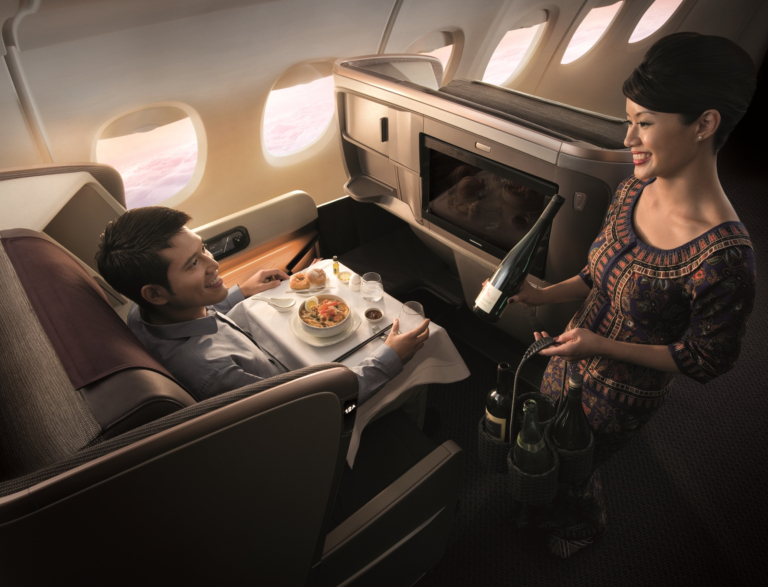
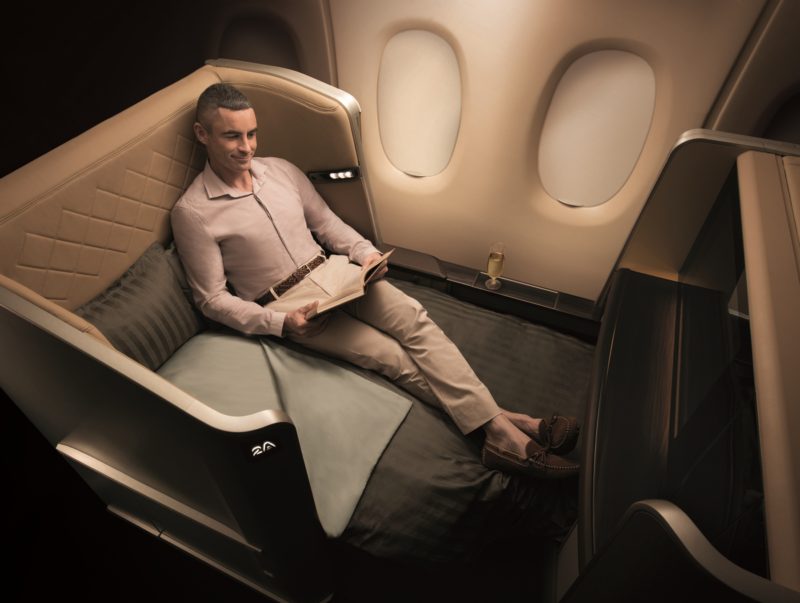
Singapore Airlines First Class

Singapore Airlines first class – one of the best in the sky

Virgin Australia frequent flyers will continue to be able to book Singapore Airlines award seats using Velocity points (without converting them to KrisFlyer miles), and there’s no change to how many Velocity points you’ll need. Today’s news might even make it more attractive to use Velocity points rather than convert them to KrisFlyer miles. However, keep in mind a lot more seats are available to KrisFlyer members (especially in first class).

I’ll update my guide for using Velocity points for Singapore Airlines in the coming days with a new comparison of the different options available to Velocity members.

If you want to book a flight with KrisFlyer miles before the new rates kick in, make sure you have it ticketed before 23 March 2017.

The first domino falls: ANZ to shut down its AMEX cards

0

In recent months, I’ve been writing a lot about the changes to the credit card market, warning that in 2017 many bank-issued AMEX cards would likely disappear. That’s because new laws have reduced the “interchange” fees banks can charge merchants when you use your credit card, with bank-issued AMEX cards the most severely affected. Those fees pay for the points you earn, so lower fees means fewer points.

Today, we heard that ANZ is the first of the major banks to announce a shake-up of its AMEX cards. ANZ has ended its relationship with American Express, stopped taking new applications for AMEX cards, and will shut down existing cards on 5 August 2017. That’s a big change.

ANZ will continue to offer only Visa cards and it’s rejigging the points earning rates on those.

It surely won’t be long until we hear other banks announce changes to their AMEX products, given the new laws take effect on 1 July 2017. The banks may follow ANZ’s lead and discontinue their relationship with American Express, or they may negotiate new agreements (with fewer points for many customers) – we wait and see.

AMEX cards issued directly by American Express Australia are exempt from the new laws. As I’ve written about previously, a simple strategy for maximising points moving forward is to hold a high-earning AMEX card issued by American Express Australia, with a backup Visa or MasterCard from another provider for use with merchants who don’t accept AMEX.

Did Qantas blow it with last week’s premium economy announcement?

0

It’s been almost a week since Qantas released details of its new premium economy seat for the Dreamliner fleet, and the reaction from many frequent flyers has not been kind.

The Qantas marketing machine created huge expectations before the announcement, with CEO Alan Joyce promising the seat would be “revolutionary” and “class-leading”. This came after a year of speculation and hype about almost every aspect of the Dreamliner – from its configuration, to the seats and the routes it will operate. It’s safe to say many people are a bit weary from it all.

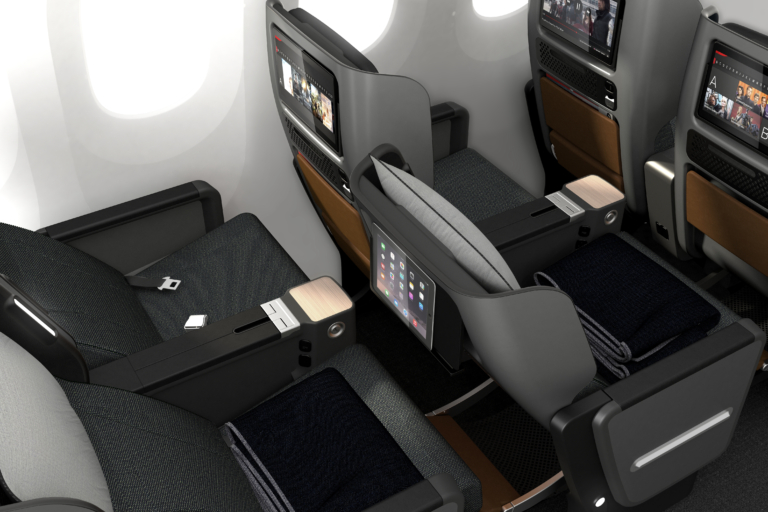
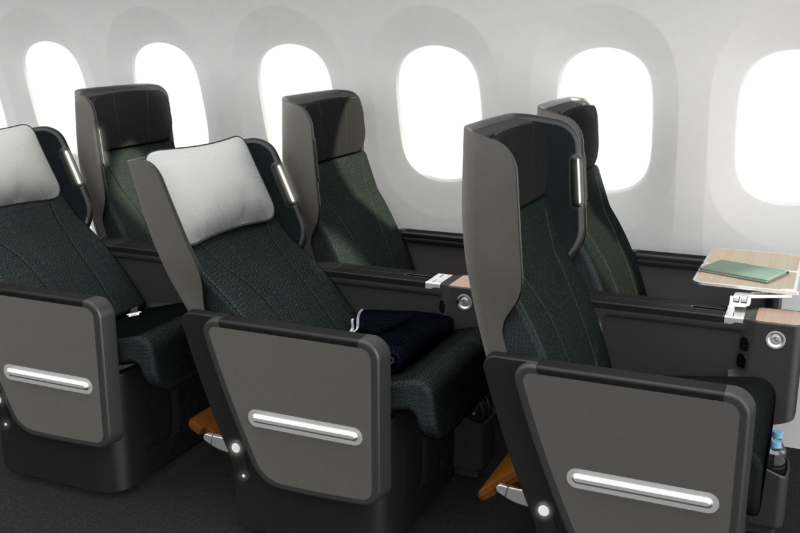
What Mr Joyce unveiled last week was a seat that looks quite comfortable and has some great features, like a recline system and padding designed to promote sleep. However, Qantas won’t be giving passengers anywhere near ‘class-leading’ space.

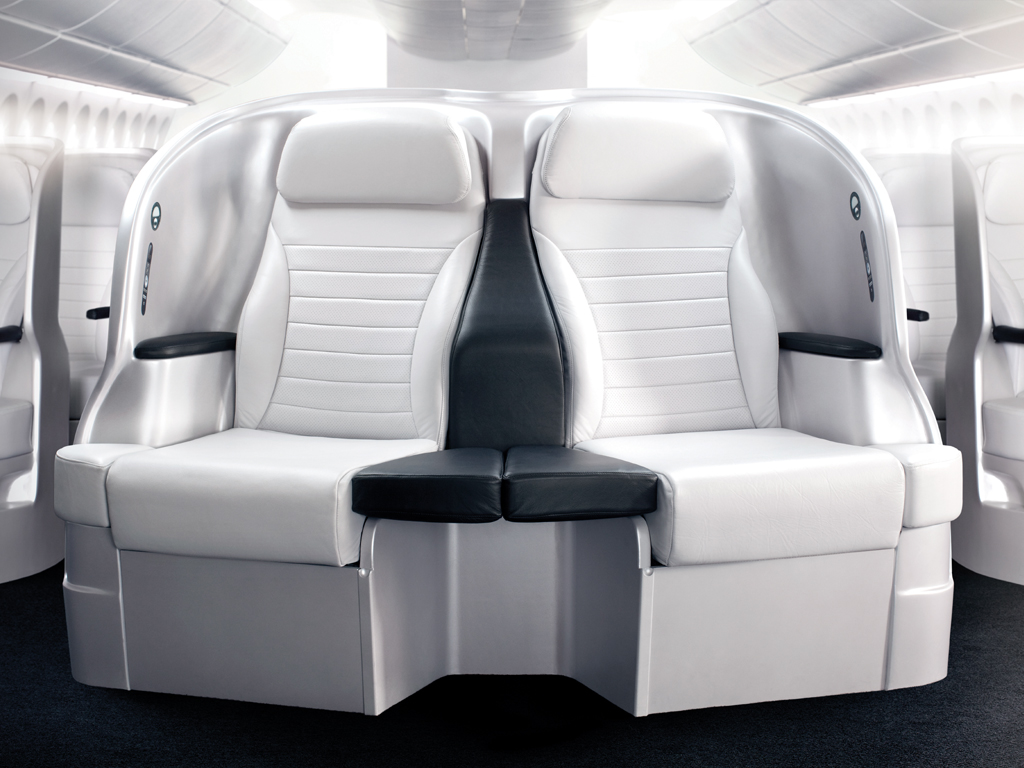
The 38 inches of leg room on offer is 3-4 inches less than on Virgin Australia and Air New Zealand. Given Qantas wants to fly the Dreamliner on a 17-hour non-stop flight, that lack of space could be a big deal.

Qantas premium economy

The new Qantas premium economy seat

Air New Zealand’s much more “revolutionary” premium economy seat

Instead of under-promising and over-delivering, which would have been the sensible thing to do, Qantas took the opposite approach. It showed no signs of slowing down at last week’s announcement, where Mr Joyce claimed the seat has “a serious wow factor” and is “completely different from anything else in its class.” An article on the Qantas website even said the seat was “so comfortable you’ll swear you’re in Business” (unlikely).

Understandably, many people are less than impressed by the details released last week.

One of the world’s most widely-read travel bloggers, Ben Schlappig, said it was a fib when Mr Joyce promised the seat would be “revolutionary”.

In another article that came across my feed, John Walton at the Runway Girl Network concluded that the seat was “barely evolutionary” in function.

The mood on various Australian frequent flyer blogs and forums has been one of disappointment. Many people like the extra padding, recline and other features, but the consensus is this doesn’t compensate for the restricted space. My initial view was similar, though I’ll reserve judgment until I get a chance to try the seat.

As a loyal Qantas frequent flyer, I’m disappointed to see the airline’s credibility take a hit like this. There’s an obvious lesson here about over-hyping things, but Qantas’ PR strategy for the Dreamliner has been all about generating maximum attention.

The next news to come out will be the pricing of the fares on the Perth-London route, and I suspect they won’t be cheap. It’ll be interesting to see if people have ‘bought’ the value proposition that Qantas has been trying so hard to make.

Emirates revamps its iconic A380 onboard lounge

0

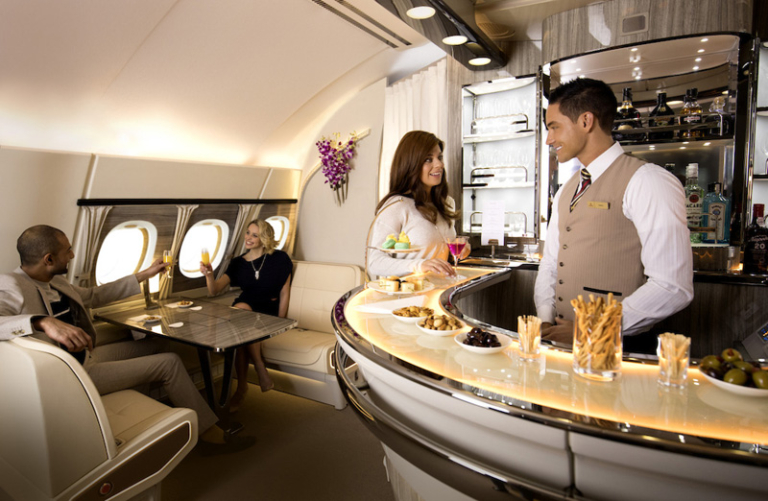
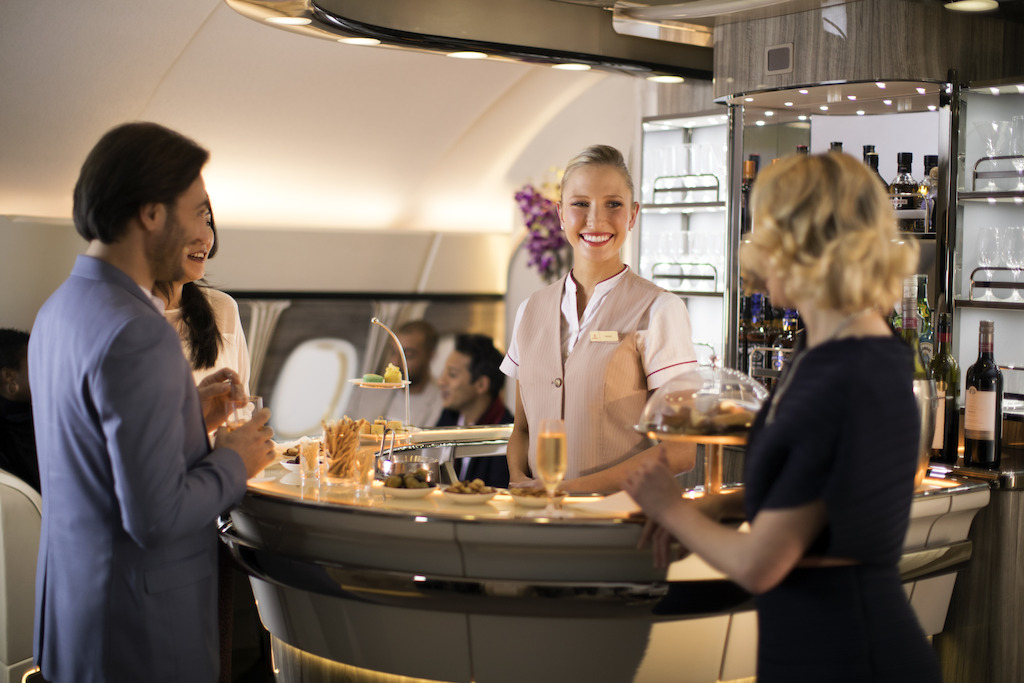
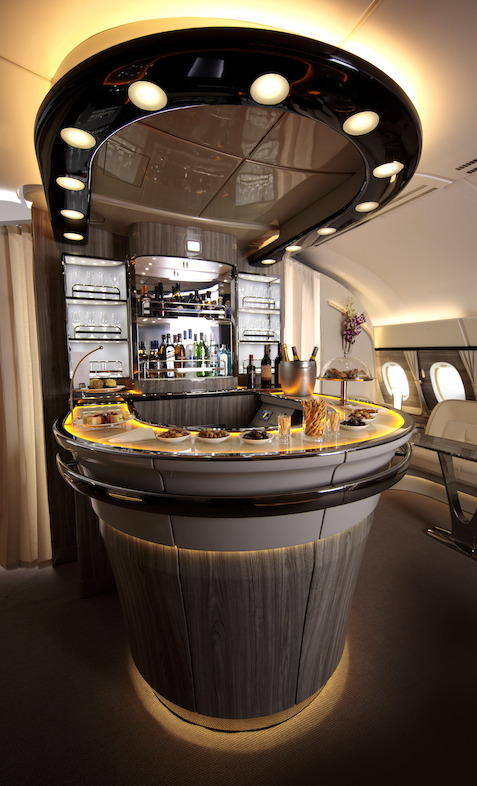
Emirates has announced a redesign of its famous A380 onboard lounge, with a more modern look and extra seating being installed. The lounge, which is available to business and first class passengers on the upper deck of the A380, has become an iconic feature of Emirates’ fleet since it was launched in 2008.

The new lounge will retain the trademark horseshoe-shaped bar.

Emirates new A380 lounge

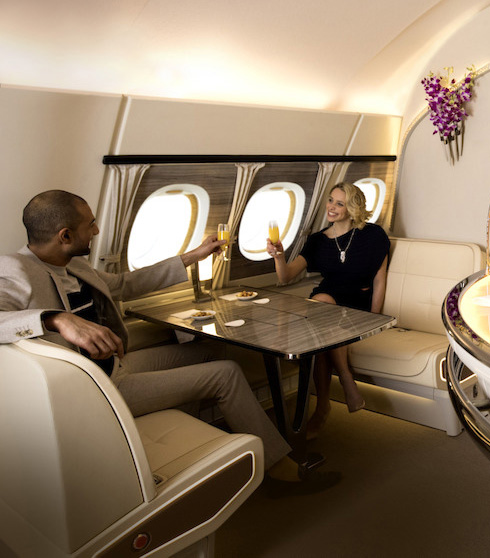
More seating will be added along the windows on both sides of the bar, which Emirates President Tim Clark says was inspired by private yacht cabins (of all things!). Overall, the new lounge will comfortably accommodate up to 26 passengers at a time, including 8 seated.

A new colour scheme will see lighter champagne colours in the cabin and on lounge seating, accented by a glossy dark wood trim. This is a big improvement from the current darker and overly-blingy décor.

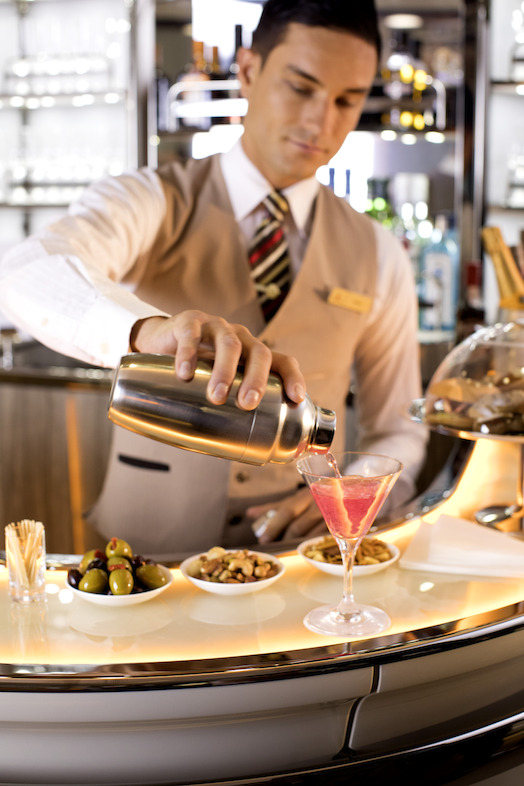
Customers will continue to enjoy canapés, wines, spirits and cocktails at the bar.

Emirates new A380 lounge

Emirates will also introduce soundproof curtains to partition the lounge from the other cabins, which will be welcomed by passengers seated near the area.

Soft ambient lighting options, new window blinds with integrated LED mood lighting, and subwoofers for surround sound are also going in.

Emirates will also introduce soundproof curtains to partition the lounge from the other cabins, which will be welcomed by passengers seated near the area.

The revamped lounge is currently being installed onto one of Emirates’ brand new A380 aircraft, and will make its operational debut in July 2017. At the moment, Emirates only plans to install the new lounge on new planes. Let’s hope an upgrade to the existing lounges will happen at some point too.

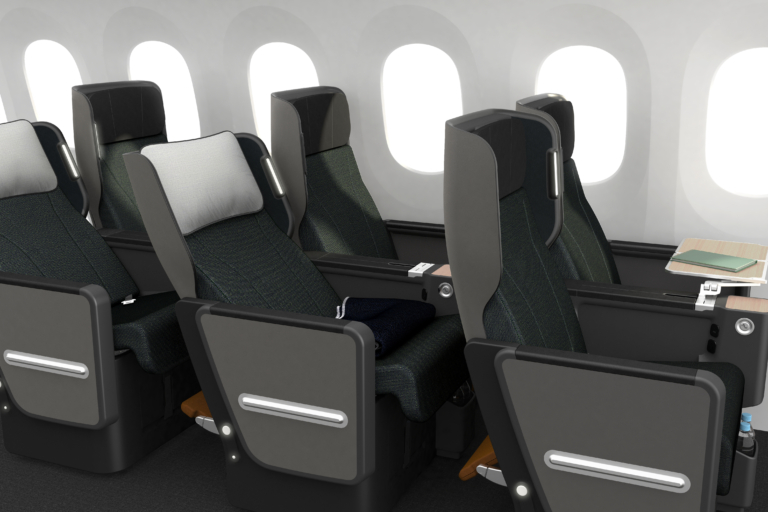
Qantas unveils new premium economy seat for the Dreamliner

0

Qantas has finally pulled back the curtain on new premium economy seat for its Dreamliner fleet.

The highly-anticipated new planes will be in Australian skies in October before operating on key international routes, starting with Melbourne to Los Angeles in December and then the record-breaking Perth-London flights from March 2018.

Qantas CEO Alan Joyce has stoked high expectations for the new premium economy seat, claiming in recent months that the design would be “revolutionary”.

Given Qantas already operates a pretty good premium economy product on its A380s and B747s, a lot of hype has built up.

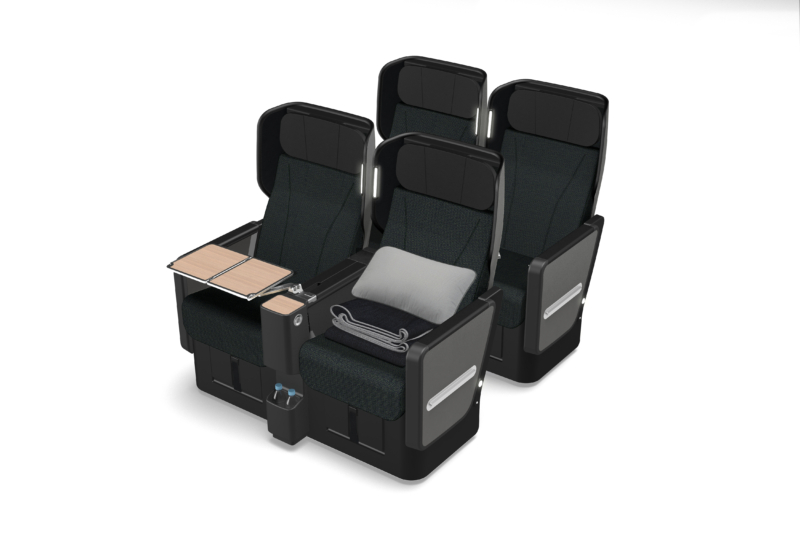
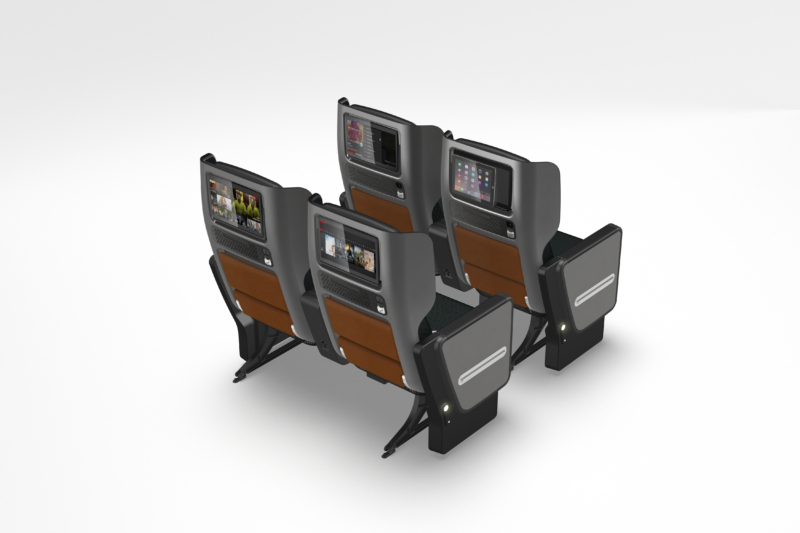
So, here it is – the new Qantas premium economy seat.

Qantas premium economy front

Qantas premium economy rear

With a width of “up to” 22.8 inches (but actually a bit less because of the way Qantas measures it), the seat is slightly wider than Qantas’ existing premium economy seat.

However, the 38 inches of leg room is the same at the current product, and the 9.5 inch recline is only marginally better (the current seat provides 9 inches).

By comparison, Virgin Australia and Air New Zealand provide an extra 3-4 inches of leg room (with a slightly smaller recline). Singapore Airlines and Cathay Pacific both offer 38 inches of leg room with an 8-inch recline.

Qantas premium economy passengers who have someone in front of them fully reclined will have a nightmare getting out of their seats.

On the basis of these factors, I wouldn’t say the new Qantas seat is revolutionary at all – but it is competitive.

What might be unique is the recline motion Qantas has developed, with several sections shifting to support your body as you recline into a more relaxing position.

Qantas CEO Alan Joyce says “you have to experience how well it supports you when you recline to realise it’s completely different from anything else in its class.”

We’ll have to wait and see until we try it.

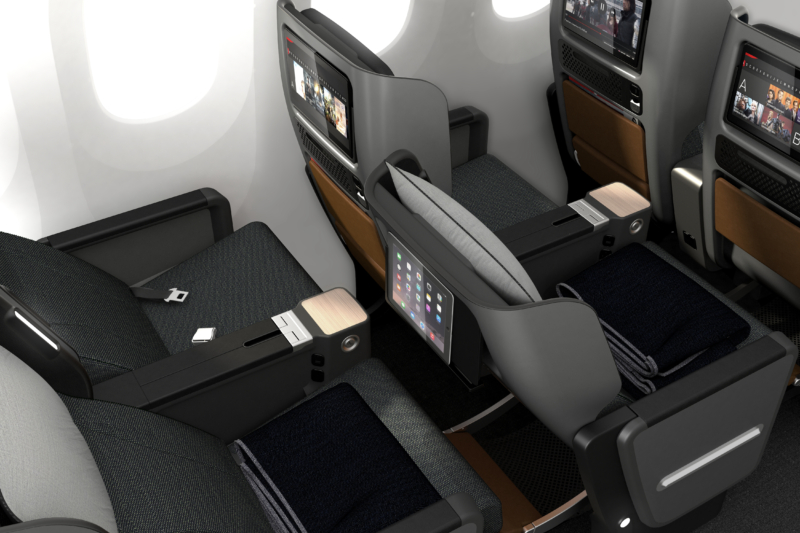
Qantas premium economy

Other features of the new Qantas premium economy seat include:

  • a headrest that can be fitted with a specially designed pillow
  • a footrest
  • a 25 per cent larger HD Panasonic entertainment screen (13.3 inches) plus a holder for an iPad if you prefer to bring your own entertainment
  • five individual storage compartments
  • two USB charging points per seat, as well as shared AC power (it would have been better for every seat to have AC power)
  • personal LED light.

Qantas premium economy detail

My overall impression is this: I like the new features such as the recline, storage and screen, but I can’t help being disappointed by the space provided, especially the leg room. This is likely to be a key factor for passengers on ultra-long-haul flights. Hopefully the seat padding and extra width will provide some additional comfort.

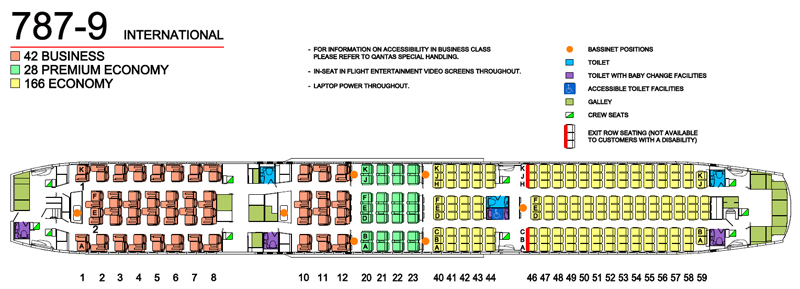
The Dreamliners will have 28 premium economy seats arranged in four rows in a 2-3-2 layout.

They’ll be located right in the centre of the plane between business and economy (in green on the seat map below).

Passengers will have access to the two toilets between rows 8 and 10, shared with business class.

Qantas dreamliner seat map

The Dreamliners will also sport new economy and business class seats, as I wrote about in October.

To get news like this delivered straight to your inbox, subscribe to our newsletter:

Qantas offers 100,000 points to open a forex trading account – but beware the risks

0

I was pretty excited to hear last week that Qantas is offering up to 100,000 points for opening a forex trading account with the firm, Pepperstone. I’m a currency trader so this is a no-brainer for me – I’m going to get 100,000 Qantas Points for very little effort!

But it also prompted me to think, what about people who don’t have any experience with trading? Will this offer entice some of them to open an account? It’s pretty common for people to toy with the idea of making extra money on the side by trading the markets, and this promotion might just tempt them to finally give it a go.

To qualify for the bonus, you have to trade at least 5 lots of forex, as outlined in the terms and conditions. If you’re an experienced trader, that’s unlikely to be a problem. But if you’re new to trading, the odds are very high you’ll lose money.

Trading is hard – in fact, it’s one of the most difficult things you could ever try to do. Research suggests that up to 95% of new traders fail because the odds are so heavily stacked against them in the markets.

Consider this: the markets are a competition in which you’re up against some of the smartest and most experienced traders in the world. Markets work by transferring wealth from one person to another – it’s a zero sum game. Newbie traders are very predictable and therefore easy pickings for the pros, plus they make a range of other mistakes that lead to losses. As a result, it’s virtually unheard of for new traders to be profitable from the outset.

Now, I suspect some of you will think, ‘hey, I’m happy to take a small loss to get 100,000 Qantas Points’. In theory, you could get in and out of a single 5-lot FX trade quickly to qualify for the bonus with a modest cost. But I urge you to be careful as things might not go to plan, and you may fall foul of the terms and conditions. I’m not sure but I did notice the statement in the T&Cs that:

Eligible Clients who partake in this program do so in good faith. Pepperstone may, at its sole discretion, withhold any Qantas Points awarded to Eligible Clients who abuse this promotion or breach any applicable Terms and Conditions, and/or exclude such Eligible Clients from the promotion.

If you’re an experienced trader, this Pepperstone offer could be a good opportunity to earn a stack of points by switching some of your business over. My initial impressions of Pepperstone’s platform, spreads, execution speeds and other features are pretty good.

However, if you’re new to trading, the risks of losing money are high. Those bonus points may come at a cost that’s significantly greater than you think.

The fall of first class, and the rise of business and premium economy?

0

First class travellers must be feeling pretty nervous: the world’s leading airlines are increasingly cutting back on first class space in favour of more business class and premium economy seats.

The old norm in long-haul travel – that aircraft were configured with first, business and economy – is morphing into a choice between business class, premium economy and economy on numerous routes. In many ways, premium economy has become the ‘new’ business class and business class the ‘new’ first.

But is this such bad news for passengers at the pointy end? I don’t think so.

The quality of business class products has increased dramatically in recent years, blurring the lines between business and first. Meanwhile, prices for business class fares are falling in many markets (though not so much in Australia, yet). And while first class capacity is going down, that which remains is getting better. Consumers are also benefitting from airlines finally investing more in premium economy.

Overall, the future of premium travel looks pretty bright. Here’s what I think is in store.

To begin, it’s clear that demand for first class is in decline. A procession of airlines has announced cutbacks recently, the latest being the German flag-carrier, Lufthansa, which said last week that its new Boeing 777-9 fleet will top out at business class. This puts the future of its highly-regarded first class product in serious doubt.
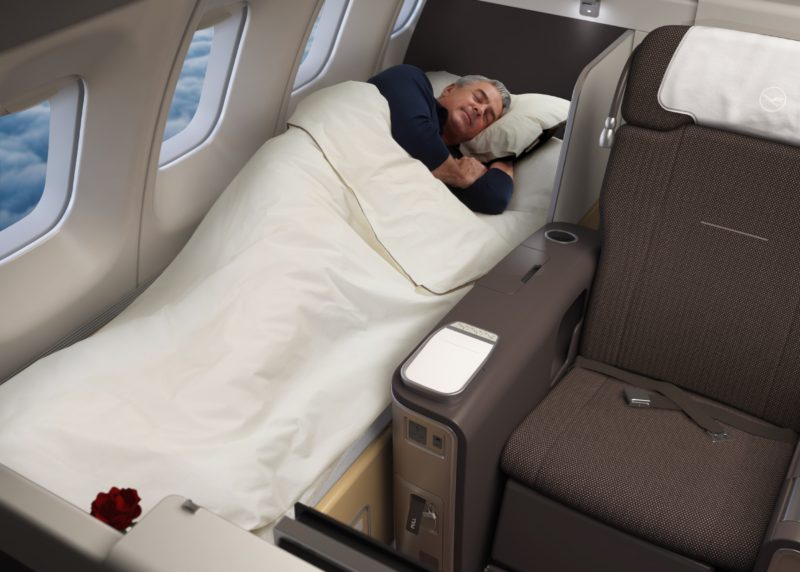
Lufthansa first class

Lufthansa B747 first class – why choose between a seat and a bed when you can have both

In January, Singapore Airlines confirmed it will reduce the number of first class suites on its next batch of A380s. Singapore Airlines has been one of the most innovative airlines when it comes to first class, but times are tough. First class has been ditched from some new aircraft while the airline is investing in new and improved business and premium economy seats.
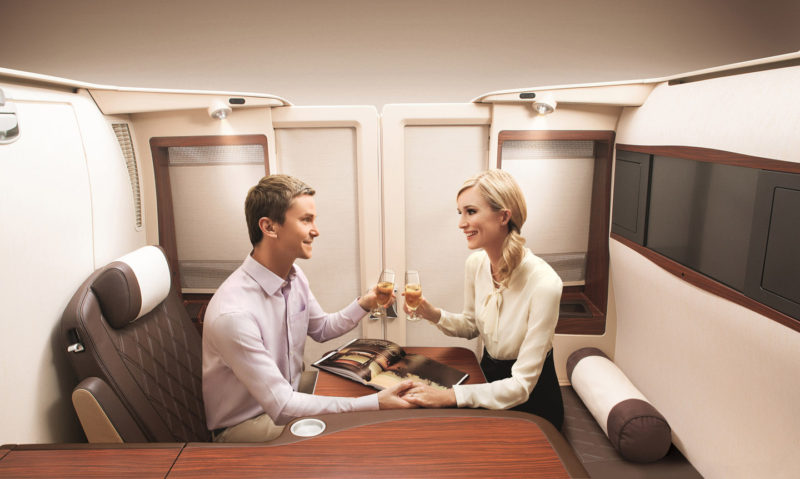
Singapore Airlines A380 first class suites

Singapore Airlines’ dwindling A380 first class suites

Here in Australia, Qantas announced in late-2016 that its much-hyped new Dreamliners will be geared towards premium travellers, but with no first class on offer – despite flying on lucrative long-haul routes such as London and Los Angeles. Instead, the aircraft will feature a large number of business and premium economy seats, including the next generation of Qantas’ excellent Business Suite. A new premium economy seat is set to be announced in the next few months.
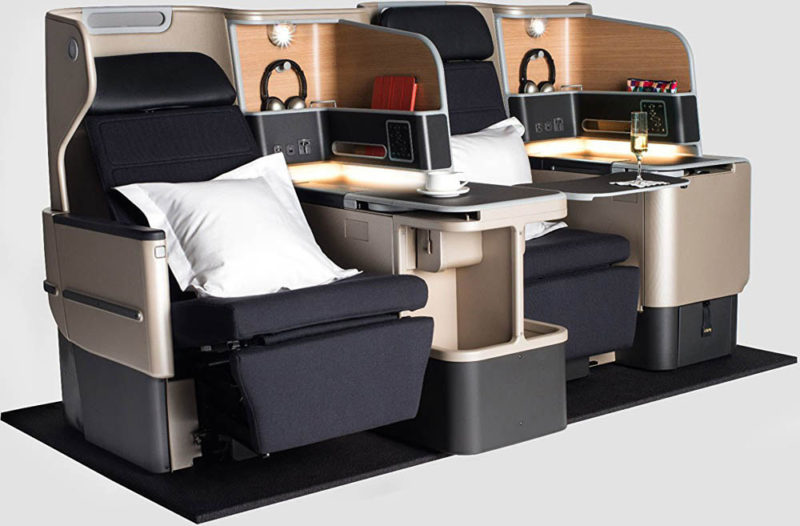
Qantas business suite

The Business Suite – coming soon to the Qantas Dreamliner fleet

Many other airlines in the region are making similar changes, including Cathay Pacific, Qatar Airways, Japan Airlines, Asiana and many more. The trend is clear.

So what’s driving this?

The rising quality of business class products is a huge factor. It’s becoming the norm for airlines to offer spacious seats, great on-board services and other comforts in business class that used to be more commonly seen in first class.
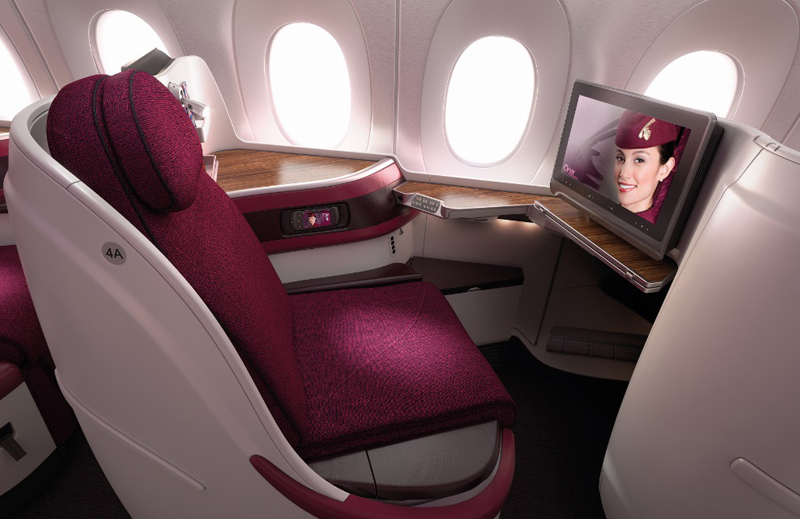
Qatar Airways' award winning A350 business class

Qatar Airways’ award-winning A350 business class

Middle Eastern carriers deserve a lot of credit for driving big improvements in business class. Other airlines have been forced to compete – even US carriers, which have been notorious for their mediocre premium products.
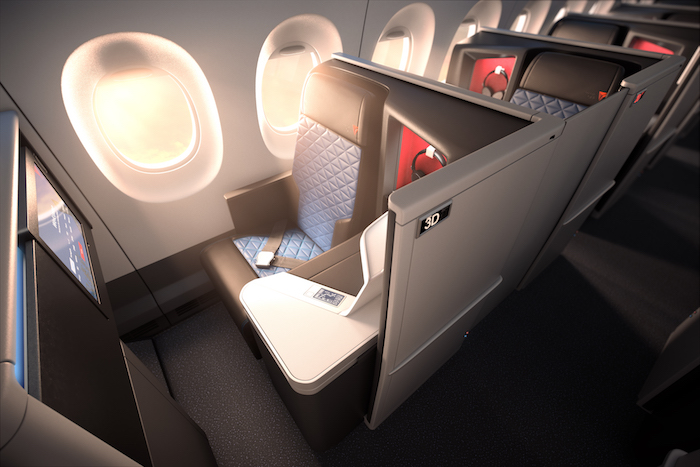
Delta's new business suite

Delta’s new business suite

The improvements in business class have been rapid and are set to continue, while prices on many routes have fallen, so it’s no surprise travellers are making the switch. The extra cost of flying in first class just doesn’t stack up for many.

For airlines, flying empty first class seats makes no commercial sense nor does saving them for passengers upgrading from business class. Airlines have to maximise the yield from every square inch on board, especially as the focus shifts towards operating smaller aircraft on long-haul routes.

Further down the plane, premium economy has come into its own over the last few years. Despite being around for over two decades, many airlines only recently committed properly to premium economy. Singapore Airlines, for example, only started offering premium economy in 2015.
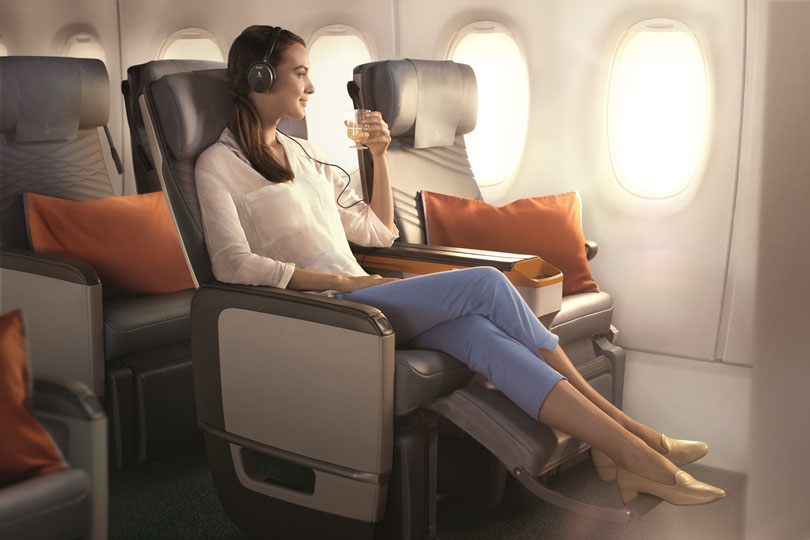
Singapore Airlines A350 premium economy

Singapore Airlines A350 premium economy

Premium economy taps into the market for an affordable, low-frills service that’s still a clear step-up from economy. This suits both travellers switching from business class due to reduced travel budgets and those moving up from economy because a better in-flight experience is now in reach.
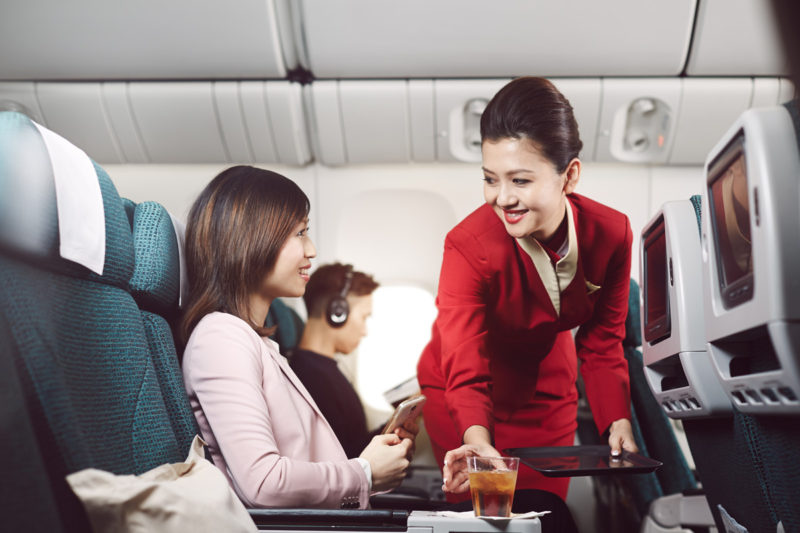
Cathay Pacific premium economy

Cathay Pacific premium economy

It seems clear premium economy and business class will continue to boom. But what does the future hold for first class?

I think premium airlines will continue to offer first class on select routes, such as those connecting the world’s major capitals. Demand hasn’t completely dried up for the luxury and privacy only first class can provide.

While capacity is going down, the quality of what’s left is going up. Etihad has set a new standard in first class with its opulent ‘Residence’, which offers three ‘rooms’ and a butler service. Etihad’s ‘regular’ first class suites are also wonderful.
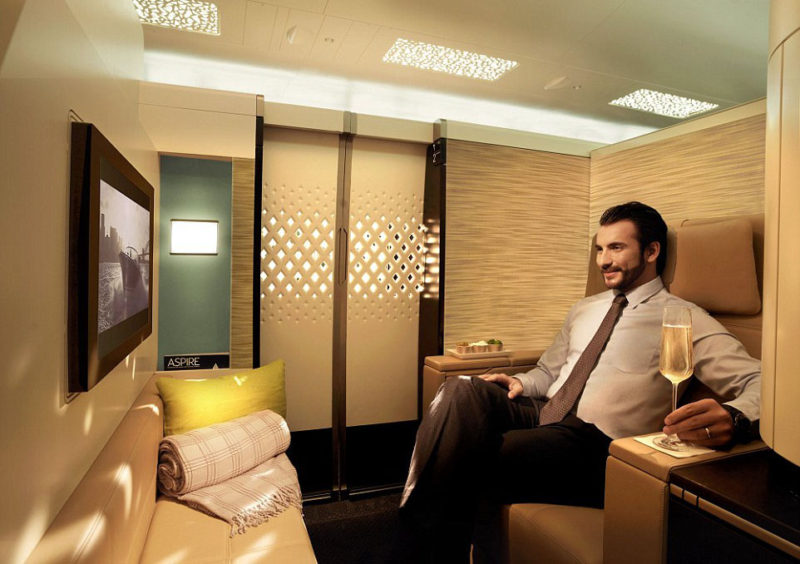
Etihad first class

Etihad does first class luxury like no one else

Other airlines are responding. Singapore Airlines recently announced it will install larger first class suites, while Emirates’ CEO has said the airline will soon begin offering “fully enclosed rooms with all the touches and amenities that you’d expect in hotel or a private bedroom on a luxury yacht”.

For travellers who use points to fly first class, the key takeaway is this: the reduced capacity will almost certainly make it harder to secure award seats in the coming years. If you’ve never experienced first class and that’s your goal, I suggest you don’t delay.

For regular first class travellers, the quality of business class today means most of the comforts you’re used to will be available if you have to switch – and you’ll probably save money.

For everybody else, I think we’re in a golden age of premium travel – and the future looks bright.

Join us on Facebook or contribute your thoughts in the comments below.